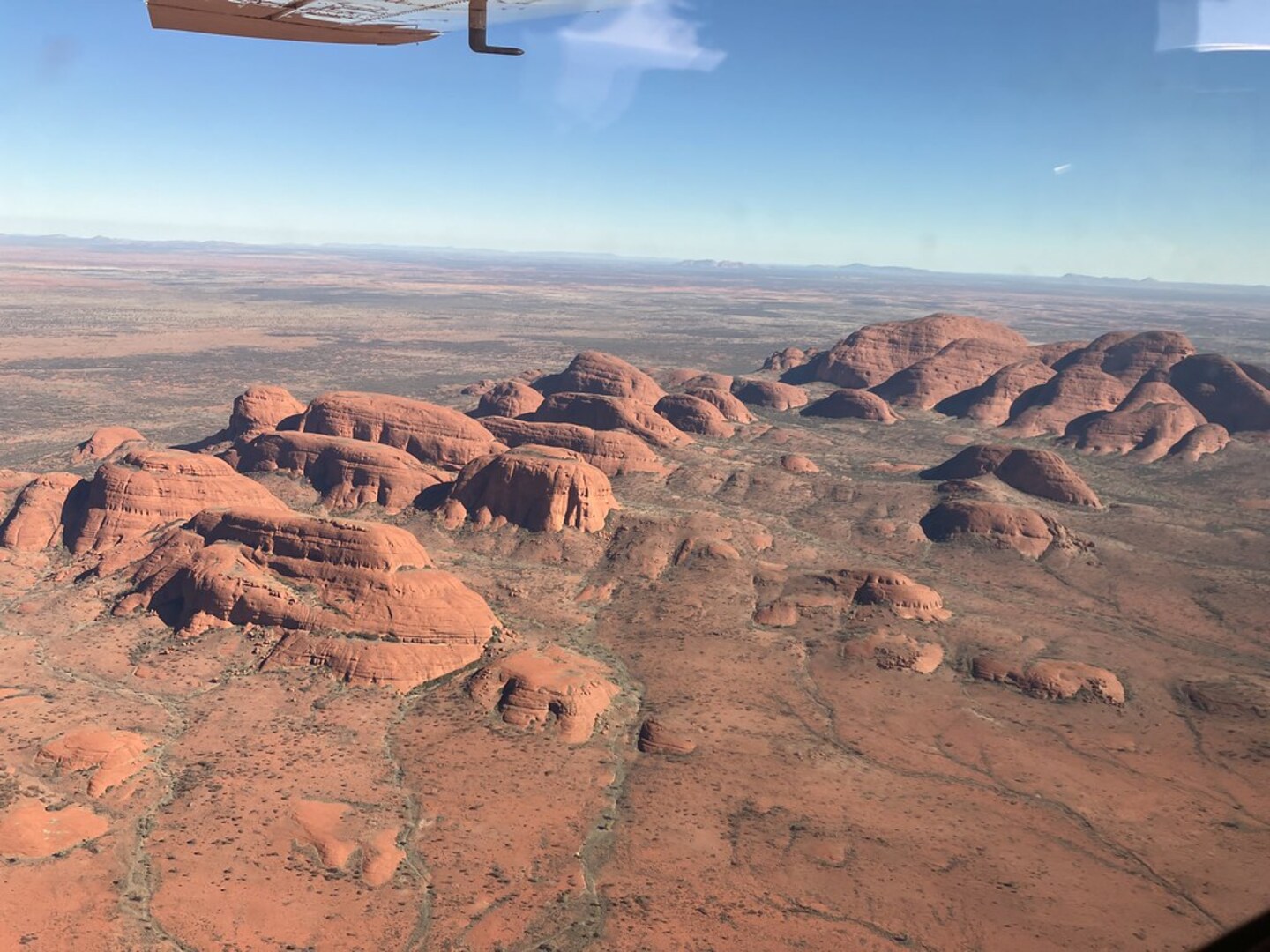
Plan Your Uluru Base Walk
Walking routes around Uluru after the climb closed: park pass, trail etiquette, and how to pace a desert day.

Walking routes around Uluru after the climb closed: park pass, trail etiquette, and how to pace a desert day.
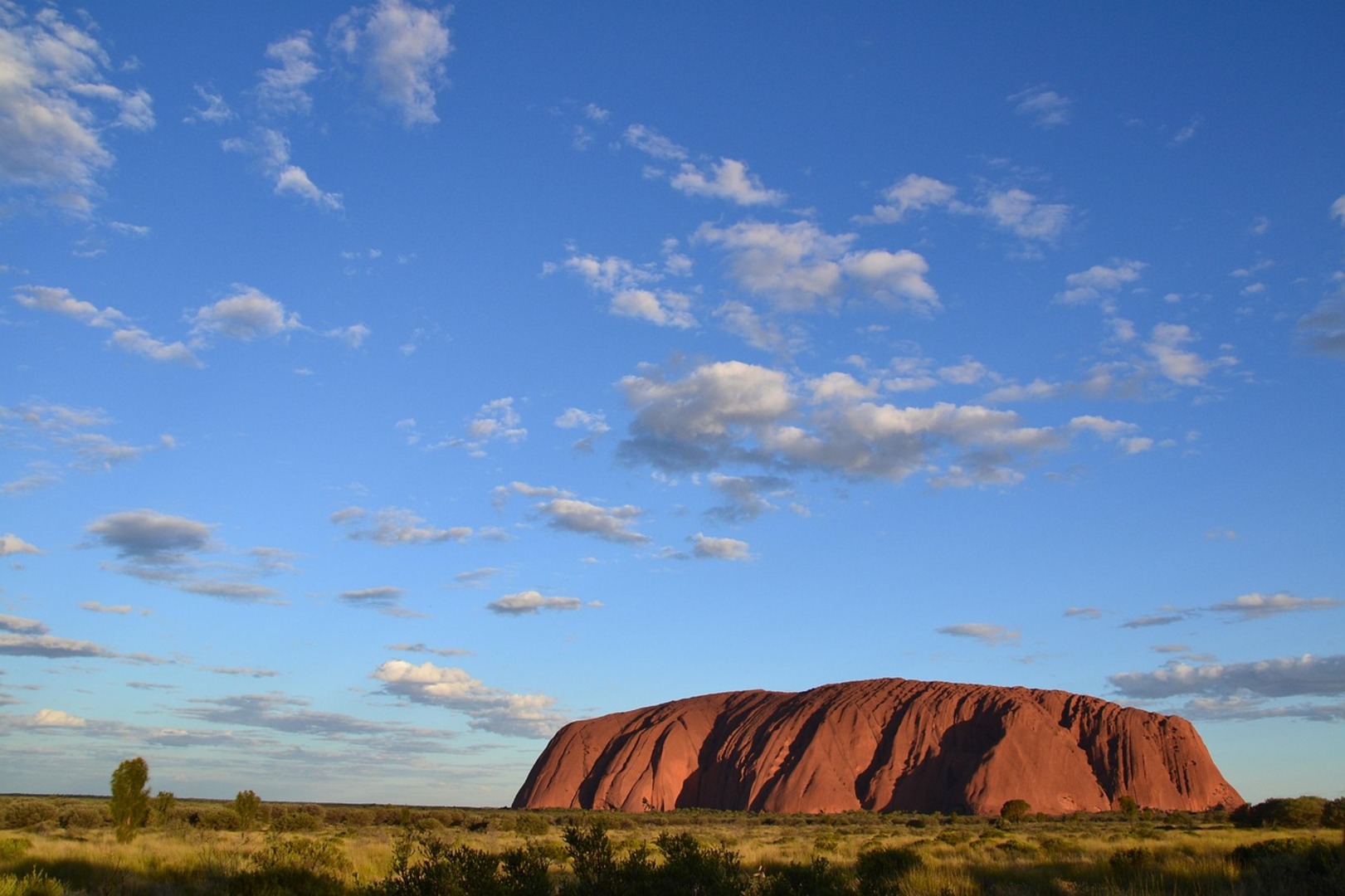
Plan access and guided options for Uluru Base Walk. Use the official park or climb site for permits, fees, and safety rules. Use a trusted partner for guided hikes, transfers, and day tours with mobile tickets. Confirm altitude, weather, and inclusions before you book.

Best for Uluru-Kata Tjuta park passes, cultural guidelines, and track status.
Useful for guided hikes, transfers, glacier or cable-car packages, and flexible cancellation on many GetYourGuide listings.
Choose the official site for permits and park rules. Choose a partner tour when you want logistics handled (pickup, guide, timed entry) on a short trip.
Hand-picked Uluru Base Walk hikes and day tours on GetYourGuide. Prices and availability update on the partner site; confirm altitude, duration, and inclusions before you book.
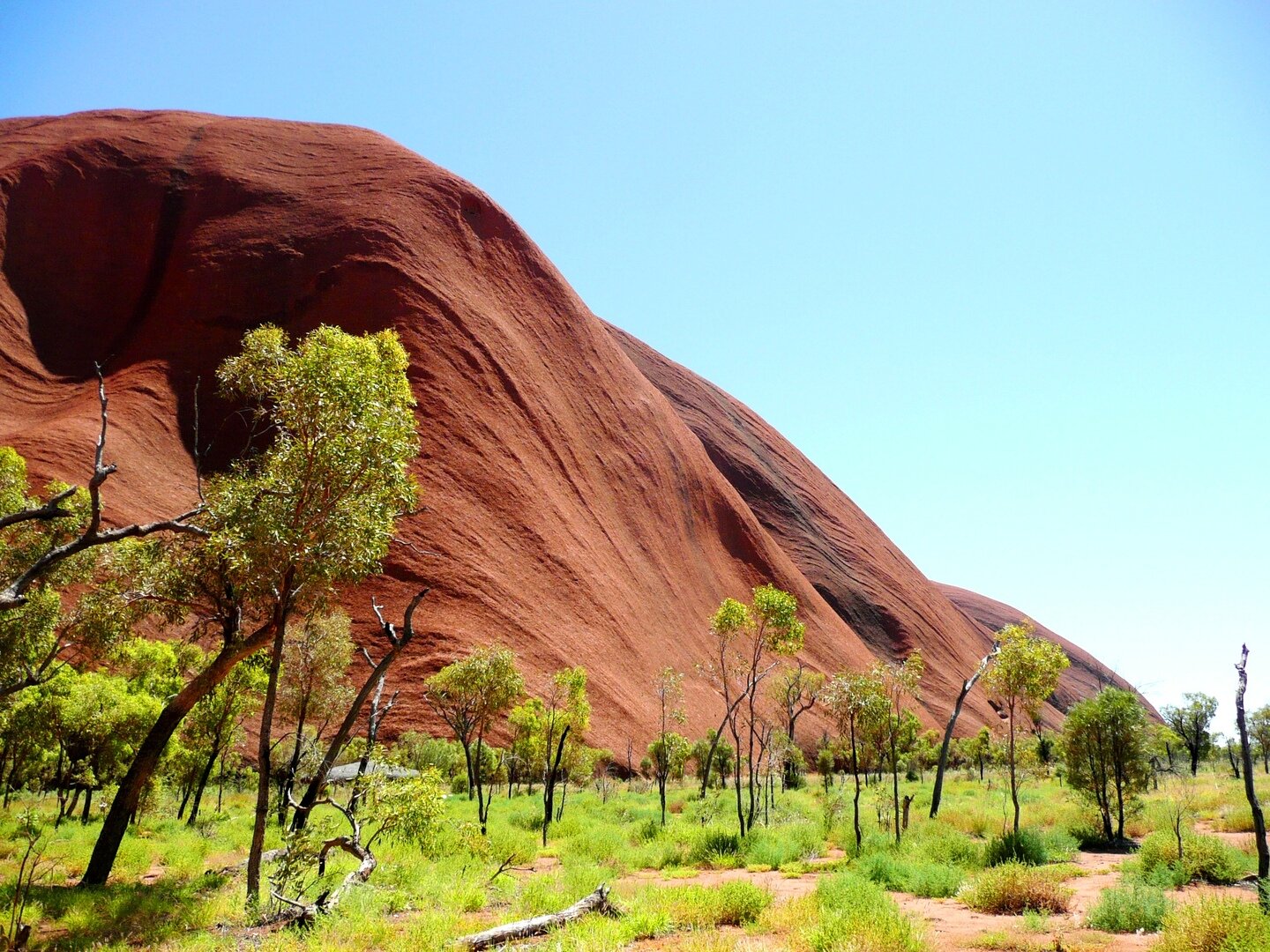


12 hours • rim walk • scenic canyon viewpoints
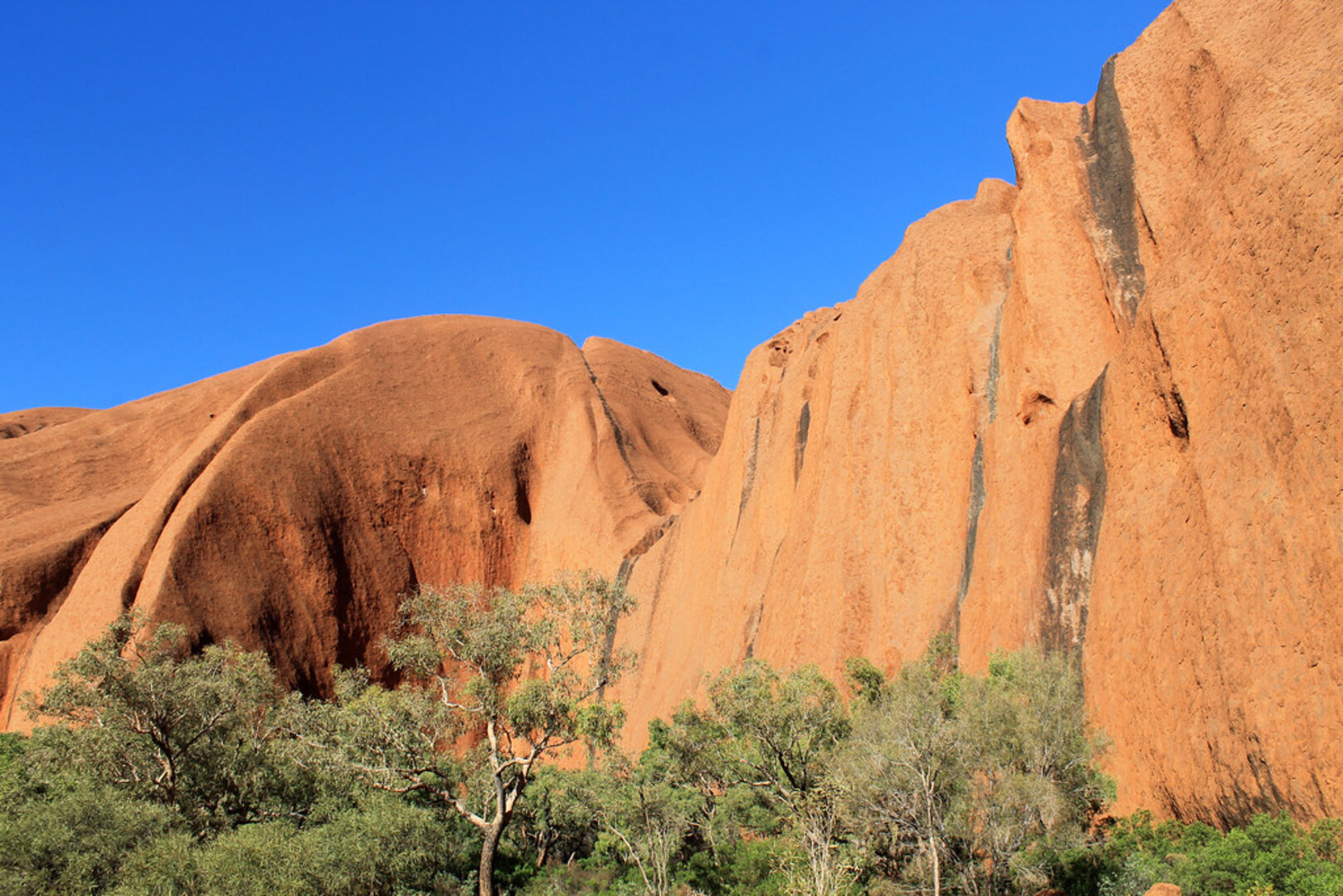
4 days • Uluru & Kata Tjuta • Kings Canyon rim walk
5 hours • sunrise viewing • walk at Walpa Gorge


The permanent climb ban shifts the experience to ground-level tracks and culture.
Sunrise and sunset platforms remain highlights for non-hikers too.
The same pass covers the domes and Valley of the Winds walks.
Trails often close above set temperatures. Start at dawn.
Sacred sites along the base are clearly marked.
It is the only full-service hub next to the park.
Conditions change. Confirm trail status, weather, and access rules on parksaustralia.gov.au/uluru before you go.
Circumnavigation of Uluru on marked paths.
Shorter interpretive segment often guided.
Permanent waterhole near the rock.
Exhibits and talks before you walk.
Designated viewing areas off the rock.
Valley of the Winds or Walpa Gorge.
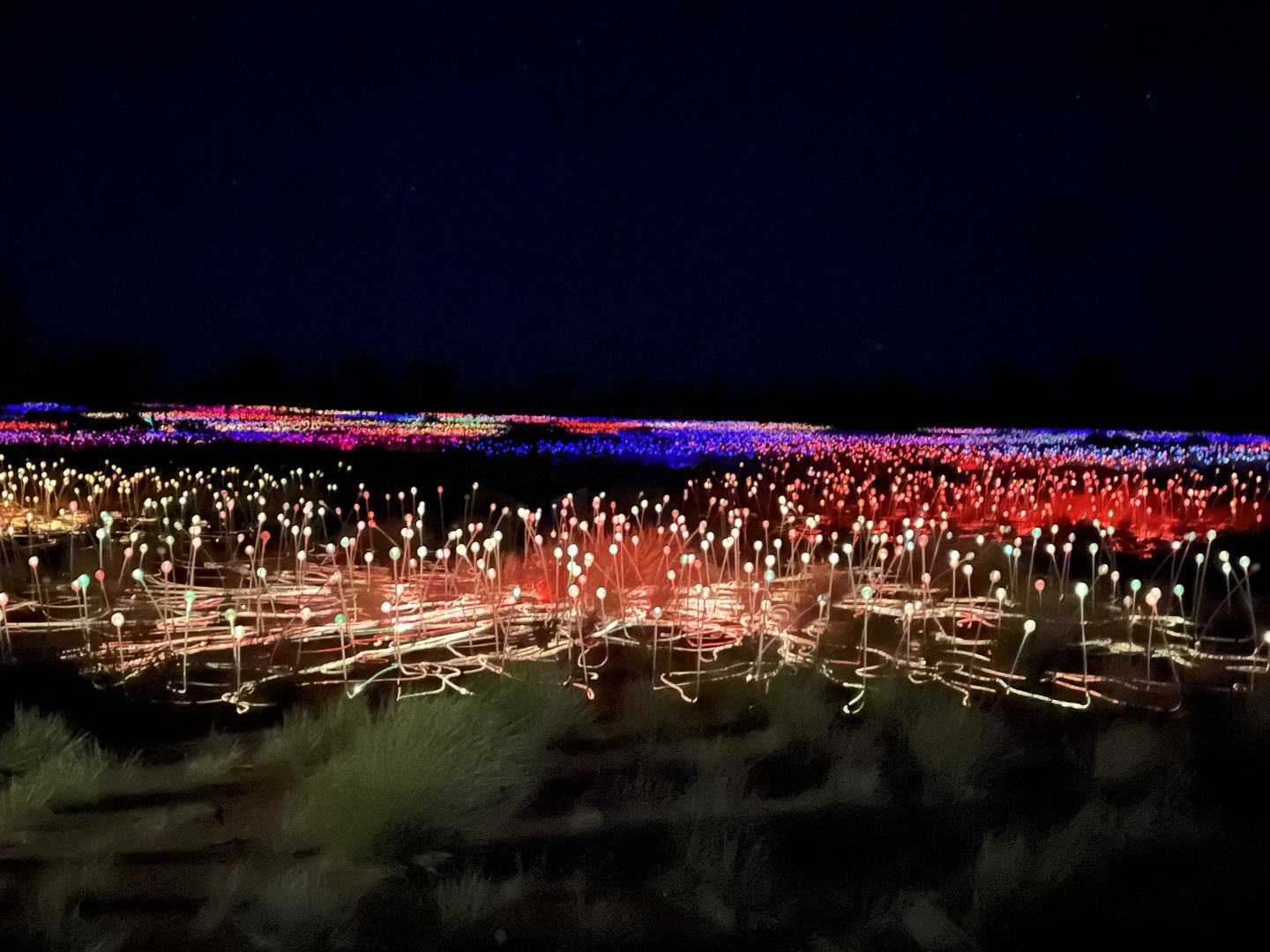
Light installation • desert night experience • unique photo moments
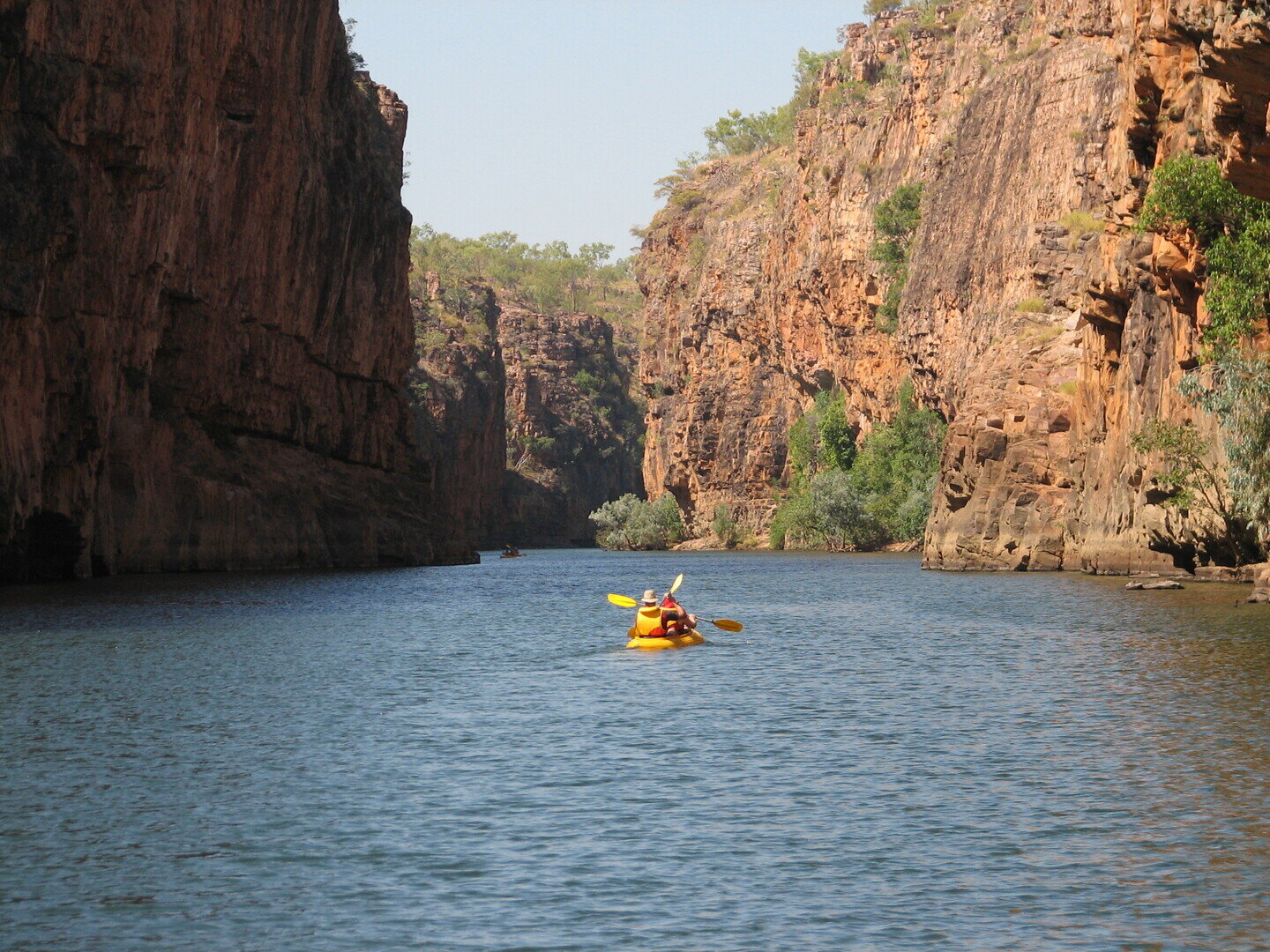
Gorge cruises • sandstone cliffs • wildlife spotting
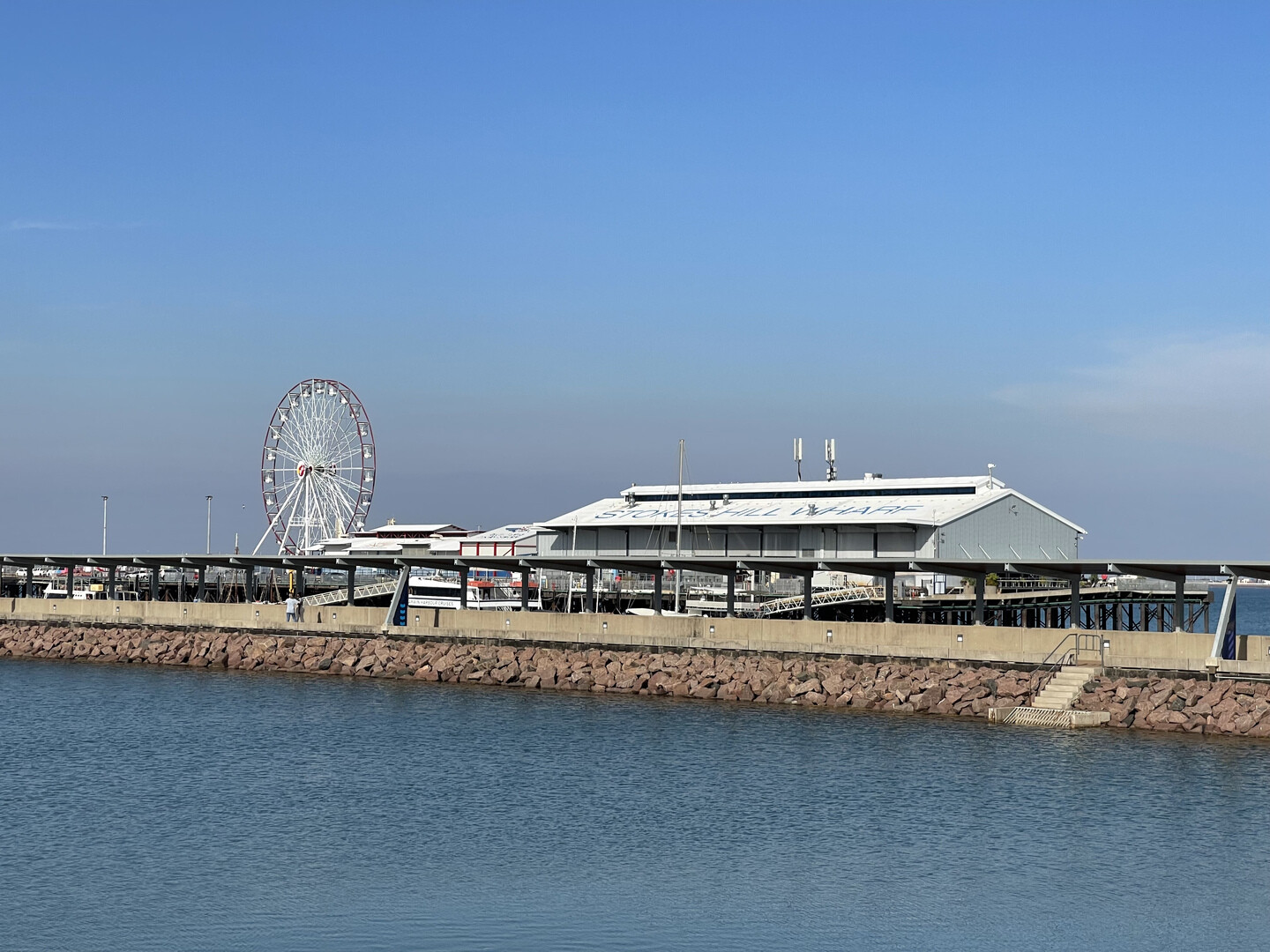
Harbour cruises • sunsets • Top End waterfront views
Can I climb Uluru?
No. Climbing has been closed permanently since October 2019.
Do I need a guide for the base walk?
No, but cultural talks add important context.
How long is the full base walk?
Plan several hours for the full loop at an easy pace.
Is the walk open year-round?
Weather and heat closures apply, especially in summer.
Does the pass include Kata Tjuta?
Yes, the standard park pass covers both.
What should I wear?
Covered shoes, sun protection, and light layers.
Uluru is a sandstone monolith in Uluru-Kata Tjuta National Park in Australia's Northern Territory, sacred to Anangu traditional owners and jointly managed with Parks Australia.
This hike-oriented page centers on walking the base, heat safety, and cultural guidelines rather than general tourist packages.